Fuel Talk

Carb Loading for Runners: How to Fuel Your Best Race Yet
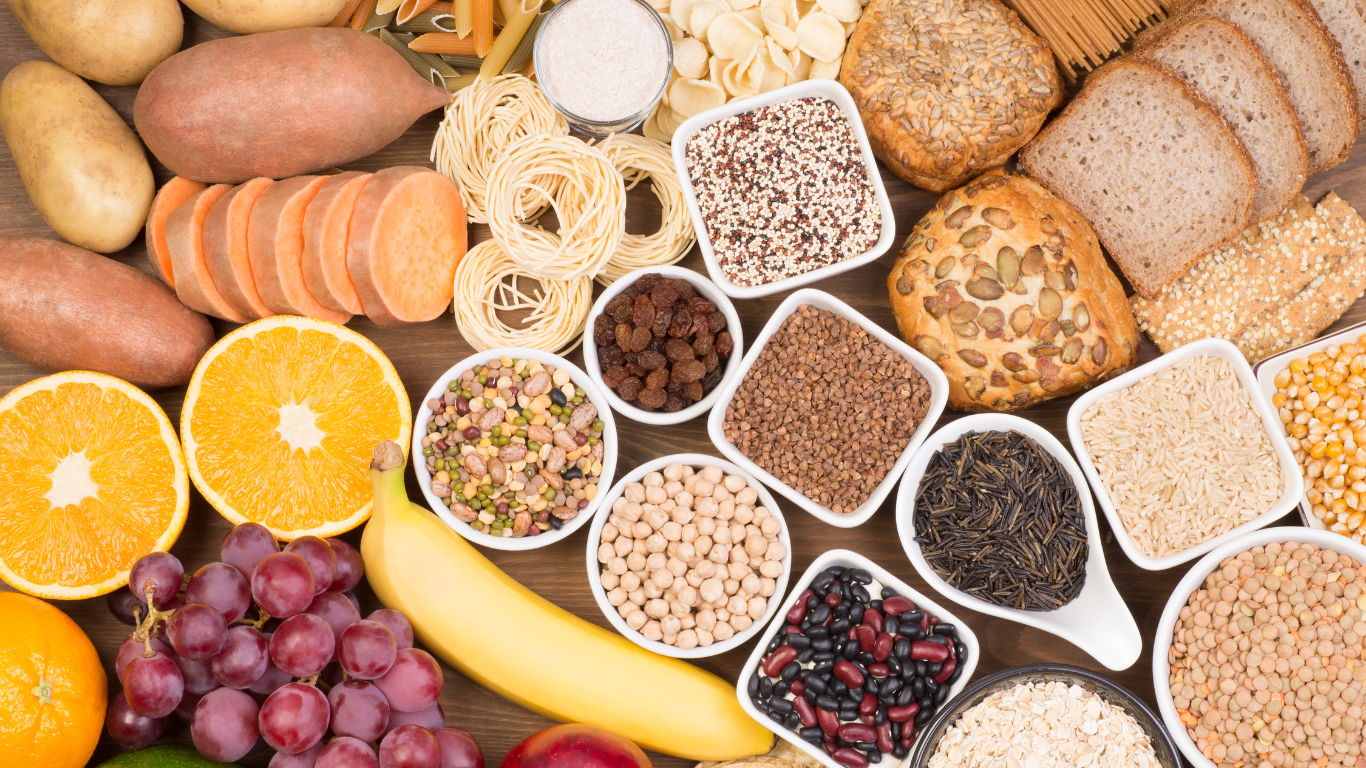
Race day is approaching. The excitement is building, the nerves are starting to kick in, and you’re probably wondering if you’ve done enough to prepare. While the training is largely behind you, there’s one thing that can still have a big impact on how you perform: your nutrition. More specifically, your carbohydrate intake.
Carb loading is one of the most effective ways to prepare for an endurance event, helping to maximise your body’s glycogen stores so you have fuel available when you need it most. And despite what many runners think, it doesn’t require a giant pasta feast the night before. With a little planning, carb loading can be simple, practical, and surprisingly stress-free.
What Is Carb Loading?
Carbohydrate loading is a nutrition strategy used before endurance events to maximise the amount of glycogen stored in your muscles. Glycogen is your body’s preferred fuel source during higher-intensity exercise, and having full stores can help delay fatigue and support performance on race day.
Carb loading is generally recommended for events lasting longer than 90 minutes, such as:
- Half marathons
- Marathons
- Ultramarathons
- Long-course triathlons
- Endurance cycling events
Rather than focusing on one large meal, successful carb loading involves increasing your carbohydrate intake across the 1–3 days leading into your event.
Choosing the Right Carbohydrates
During race week, the goal is to increase carbohydrate intake while keeping foods easy to digest.
Although high-fibre foods are nutritious and beneficial throughout most of your training cycle, consuming large amounts close to race day can increase the risk of bloating, stomach discomfort, and unexpected bathroom stops.
Instead, focus on lower-fibre carbohydrate sources that are gentle on the gut and easy to eat in larger amounts.

Some practical options include:
- White rice
- White pasta
- White bread
- Bagels
- Rice cakes
- Pretzels
- Ripe bananas
- Honey or jam
- Potatoes (peeled)
- Sweet potato (peeled)
- Sports bars and carbohydrate-rich snacks
These foods provide plenty of carbohydrates without leaving you feeling overly full.
What Does a High-Carbohydrate Day Look Like?
A common mistake is trying to fit all your carbohydrates into dinner the night before the race. Instead, spread them across meals and snacks throughout the day. A good starting point is 8–12g of carbohydrates per kilogram of body weight per day. For a 60kg runner, that equates to around 480–720g of carbs each day. Where you sit within that range will depend on your previous experience with carb loading and how much carbohydrate you can comfortably consume while feeling your best.
Breakfast Ideas
- Three slices of toast with honey or jam, a large banana, and a glass of juice
- A bagel with peanut butter and honey
- Porridge with milk and brown sugar
- Crumpets with honey and fruit juice

Lunch and Dinner Ideas
- Pasta with lean mince and a simple tomato-based sauce
- White rice with lean protein and a light sauce
- Mashed potato with fish or chicken

In the final couple of days before your race, consider keeping heavy, spicy, fatty, or particularly high-fibre meals to a minimum.
When Whole Foods Aren’t Enough
Sometimes hitting carbohydrate targets with meals alone is difficult. This is where easy, carbohydrate dense options can help.
- Chocolate milk
- Fruit juice
- Smoothies
- Carb drinks and energy bars
- Extra sauces and syrups
These allow you to top up glycogen without feeling overly full while ensuring your muscles are fully fuelled.
Don’t Forget Hydration
Carbohydrates are only one piece of the puzzle. Paying attention to hydration and electrolyte intake in the days leading into your event can also help you arrive at the start line feeling your best.
Rather than waiting until race morning, begin focusing on consistent fluid and sodium intake 24–48 hours before your race.
Final Thoughts
Carb loading doesn’t need to be complicated. It’s not about eating as much pasta as possible or squeezing in one giant meal before bed. Instead, it’s a deliberate strategy that involves increasing carbohydrate intake over several days, choosing foods that sit well in your stomach, and ensuring your muscles are fully fuelled for the demands of your event.
When done well, carb loading can help you feel energised, confident, and ready to perform when it matters most.
Need Help With Your Race Nutrition?
Every athlete is different, and so are their nutrition needs. If you’re unsure how much to eat, what foods will work best for you, or how to approach race week, I can help. Together, we’ll create a personalised nutrition strategy tailored to your training, event, goals, and gut tolerance, so you can head to the start line feeling confident and prepared. I offer a free 15-minute discovery call for you to ask a few questions and see whether we are the right fit. Book your call now!


Be the first to comment